Wegovy®
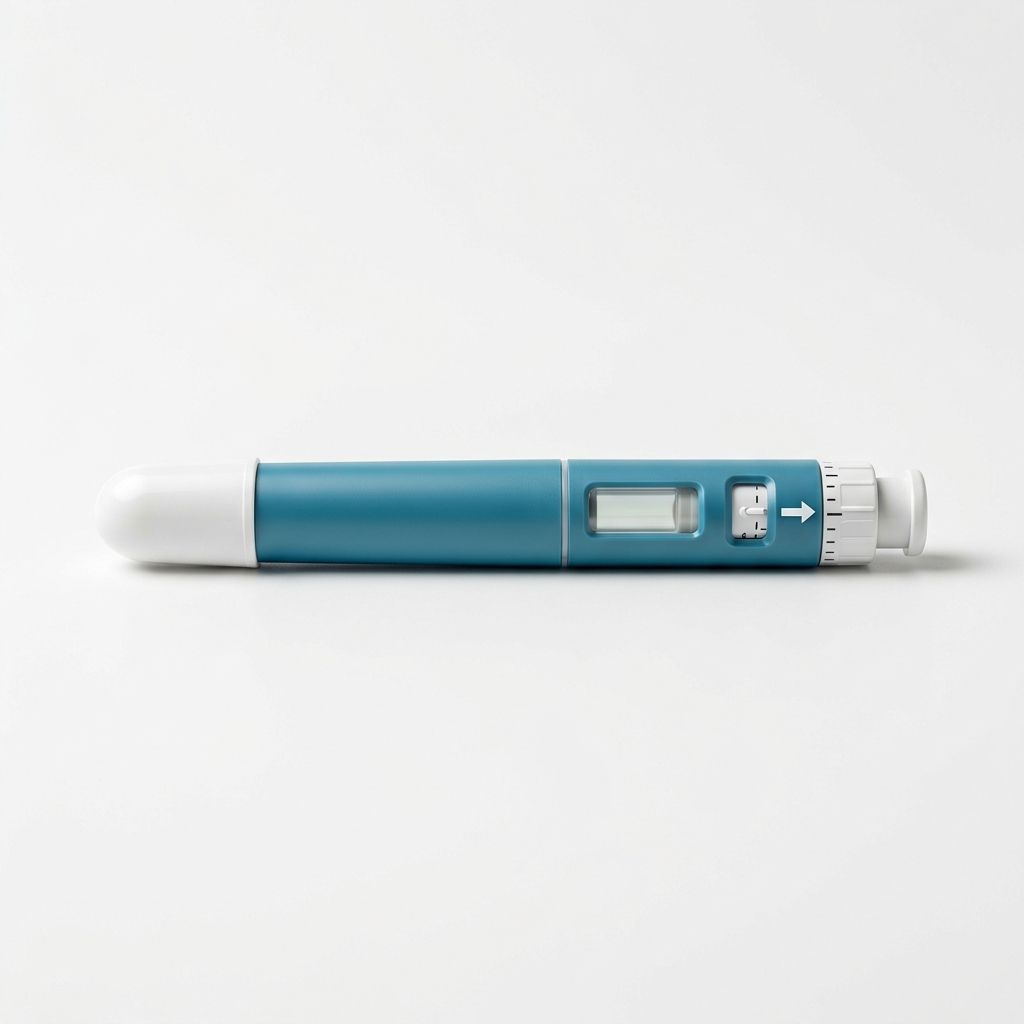
Subcutaneous injection (pre-filled pen). GLP-1 Receptor Agonist.
Medically reviewed by Dr. Sarah Chen, PharmD • Last updated April 2026
FDA Status
Approved
Manufacturer
Novo Nordisk
Generic Name
semaglutide
Typical Cost
$1,350/mo
Delivery Method
Subcutaneous injection (pre-filled pen)
What is Wegovy?
Wegovy is a GLP-1 receptor agonist medication manufactured by Novo Nordisk, FDA-approved in 2021 for chronic weight management in adults with obesity (BMI ≥30) or overweight (BMI ≥27) with at least one weight-related comorbidity. Its active ingredient, semaglutide, works by mimicking the body’s natural GLP-1 hormone to reduce appetite, increase feelings of fullness, and slow stomach emptying — helping patients sustainably eat less. In the STEP 1 clinical trial, patients taking Wegovy lost an average of 14.9% of body weight over 68 weeks, compared to 2.4% on placebo; approximately 1 in 3 patients lost more than 20% of their body weight. Wegovy is administered as a once-weekly subcutaneous injection using a pre-filled pen, with doses escalating from 0.25 mg to a 2.4 mg maintenance dose over 17 weeks. As of April 2026, Wegovy costs approximately $1,350 per month at retail pharmacies without insurance, though NovoCare savings programs and insurance coverage can significantly reduce out-of-pocket costs. Wegovy is the only semaglutide weight-loss drug available in both injectable and oral tablet forms.
Mechanism of Action
Wegovy mimics the GLP-1 hormone that targets areas of the brain that regulate appetite and food intake. By mimicking this hormone, it increases feelings of fullness and delays stomach emptying.
Clinical Trial Results (STEP 1)
In a 68-week study of 1,961 adults, those taking Wegovy lost significantly more weight than those taking a placebo.
- Wegovy 2.4mg: 14.9% mean weight loss
- Placebo: 2.4% mean weight loss
- 1 in 3 patients lost more than 20% of their initial body weight
Titration Schedule
| Phase | Dosage | Timeline | Focus |
|---|---|---|---|
| Initial | 0.25 mg | Weeks 1–4 | Metabolic acclimation |
| Escalation 1 | 0.5 mg | Weeks 5–8 | Side effect monitoring |
| Escalation 2 | 1.0 mg | Weeks 9–12 | Noticeable weight shift |
| Maintenance | 2.4 mg | Week 17+ | Full therapeutic dose |
Common Side Effects
- Nausea (44%) — Usually transient during dose escalation
- Diarrhea (30%) — Common but typically manageable
Serious Warnings
- Pancreatitis — Severe stomach pain that radiates to your back
- Boxed Warning — Risk of thyroid C-cell tumors based on rodent studies
How It Compares
Wegovy is one of two semaglutide-based weight-loss medications — the other being Ozempic, which shares the same active ingredient but is FDA-approved for Type 2 diabetes rather than obesity. For a direct comparison of both, see the Ozempic vs Wegovy breakdown.
The main competitor in the weight-loss category is Zepbound (tirzepatide), which targets both GLP-1 and GIP receptors. Clinical trials show tirzepatide produces roughly 5–7% more weight loss on average. For a detailed head-to-head, see Wegovy vs Zepbound or the broader semaglutide vs tirzepatide comparison.
If injection anxiety is a factor, there are now oral alternatives: Wegovy Pill (oral semaglutide) and Foundayo (orforglipron) — both daily tablets with no needles required.
Frequently Asked Questions
How much does Wegovy cost per month?
Without insurance, Wegovy (semaglutide 2.4mg) costs approximately $1,350 per month at retail pharmacies in the United States as of April 2026. However, most patients pay significantly less through one of several access pathways. With commercial insurance and the Novo Nordisk NovoCare savings card, eligible patients can pay as little as $0–25 per month in copays for up to 24 months of fills. For uninsured patients, NovoCare’s self-pay program offers injectable Wegovy at $349/month — a 74% discount from retail. The newest option, oral Wegovy (pill form), starts at $149/month for the starter dose through NovoCare, making it the most affordable branded semaglutide for weight loss. Compounded semaglutide through accredited telehealth providers historically ranged from $150–350/month, though FDA regulatory changes in February 2026 have significantly restricted availability. Coverage varies by employer plan — approximately 40% of large employer plans now include anti-obesity medications in their formulary (KFF 2025 Employer Health Benefits Survey). Use our cost calculator to estimate your specific out-of-pocket cost across all pathways.
Is Wegovy covered by Medicare?
As of April 2026, Medicare Part D plans are beginning to cover Wegovy for patients with obesity and at least one weight-related comorbidity (heart disease, Type 2 diabetes, sleep apnea, hypertension, etc.) following the Treat and Reduce Obesity Act (TREAT Act) provisions. This represents a significant expansion of Medicare coverage for anti-obesity medications. Prior to this change, Medicare was prohibited from covering weight-loss drugs, leaving millions of beneficiaries without access. Coverage criteria, prior authorization requirements, and copays vary by specific Part D plan. Some plans require documented BMI ≥30 or ≥27 with comorbidities, along with physician documentation. The SELECT cardiovascular outcomes trial — showing a 20% reduction in major heart events in patients treated with Wegovy — strengthened the clinical case for Medicare coverage. Contact your Part D plan directly to verify current formulary status, tier placement, and eligibility requirements before filling a prescription.
What’s the cheapest way to get Wegovy?
The lowest-cost pathways for Wegovy depend on your insurance status. For commercially insured patients, the NovoCare savings card from Novo Nordisk is the most powerful tool — reducing copays to $0–25/month for eligible patients for up to 24 months of fills. For uninsured or underinsured patients, the NovoCare Patient Assistance Program offers free or deeply discounted medication based on income. The oral Wegovy Pill, available through NovoCare at $149/month for the starter dose, is now the most affordable branded semaglutide option and doesn’t require insurance. Compounded semaglutide from 503B-accredited telehealth providers ran $150–350/month, though FDA regulatory changes in 2026 (following the end of the semaglutide shortage declaration) have restricted availability. Each pathway has different eligibility criteria. Use our GLP-1 cost calculator to compare your specific situation — including insurance tier, income, and whether you qualify for the patient assistance program.
Can I get compounded Wegovy?
Compounded semaglutide — the active ingredient in Wegovy — was widely available through telehealth providers and 503B compounding pharmacies at $150–350/month during the GLP-1 shortage period. However, in February 2026, the FDA officially ended the semaglutide shortage declaration, which significantly restricted 503B compounders from producing compounded semaglutide at scale. As of April 2026, compounded semaglutide availability is reduced — compounders can only dispense it for patients with documented medical needs such as allergies or unique dosing requirements. Some 503A traditional pharmacies can still compound with a valid individual prescription. Compounded versions are not FDA-approved, and quality can vary significantly by pharmacy. The FDA has issued warnings about some products containing semaglutide sodium salt — a different molecular form than the approved product. If you pursue this option, verify your pharmacy holds USP 797/800 accreditation and review their testing documentation before starting.
Wegovy vs Ozempic — which is better for weight loss?
Both Wegovy and Ozempic contain semaglutide and are made by Novo Nordisk, but they serve different FDA-approved indications. Wegovy is FDA-approved for chronic weight management at a maximum dose of 2.4 mg/week, while Ozempic is approved for Type 2 diabetes at a maximum dose of 2.0 mg/week. The higher dose in Wegovy accounts for a portion of its weight-loss advantage. For weight loss specifically, Wegovy is the clinically superior choice: the STEP 1 trial showed 14.9% mean weight loss, and the SELECT cardiovascular outcomes trial demonstrated a 20% reduction in major adverse cardiac events (heart attack, stroke, cardiovascular death) in patients with obesity and established heart disease — data Ozempic lacks for the weight-management indication. That said, Ozempic may be more accessible for patients who have Type 2 diabetes, since diabetes coverage is more commonly included in insurance formularies. Discuss with your provider which label best matches your clinical situation.
How much weight can I lose on Wegovy?
In the STEP 1 clinical trial — the pivotal 68-week study that supported Wegovy’s FDA approval — 1,961 adults taking semaglutide 2.4 mg lost an average of 14.9% of their body weight, compared to 2.4% on placebo. For a 220-pound person, that’s roughly 33 pounds on average. About 1 in 3 patients (32%) lost more than 20% of their body weight, and 86% achieved at least 5% weight loss. These results assume adherence through the full titration schedule to the 2.4 mg maintenance dose. Real-world weight loss may differ based on diet quality, physical activity, starting weight, metabolic factors, and whether the full maintenance dose is reached and tolerated. Weight typically continues decreasing through weeks 60–68, so staying on medication through the full course matters. If you’re not losing weight after reaching the maintenance dose, your provider may assess whether switching to a dual-agonist like Zepbound is appropriate. Use our weight-loss calculator to project your estimated results.
Does Wegovy come in a pill form?
Yes. Novo Nordisk launched an oral semaglutide tablet — marketed as the Wegovy Pill — in early 2026, making it the first oral GLP-1 medication specifically FDA-approved for weight management. The pill contains the same active ingredient (semaglutide) as the injectable Wegovy pen but uses a specialized formulation to survive stomach acid. In the OASIS 4 clinical trial, the 25 mg oral dose achieved 13.6% mean weight loss over 64 weeks — comparable to the injectable formulation’s 14.9%. To take it correctly, swallow the tablet first thing in the morning on an empty stomach with no more than 4 oz of plain water, then wait at least 30 minutes before eating, drinking anything else, or taking other oral medications. The oral Wegovy is available through NovoCare starting at $149/month for the starter dose — significantly cheaper than the injectable pen. It’s a strong option for patients who want the Wegovy clinical track record without weekly injections. See the Wegovy Pill page for full details.