Zepbound®
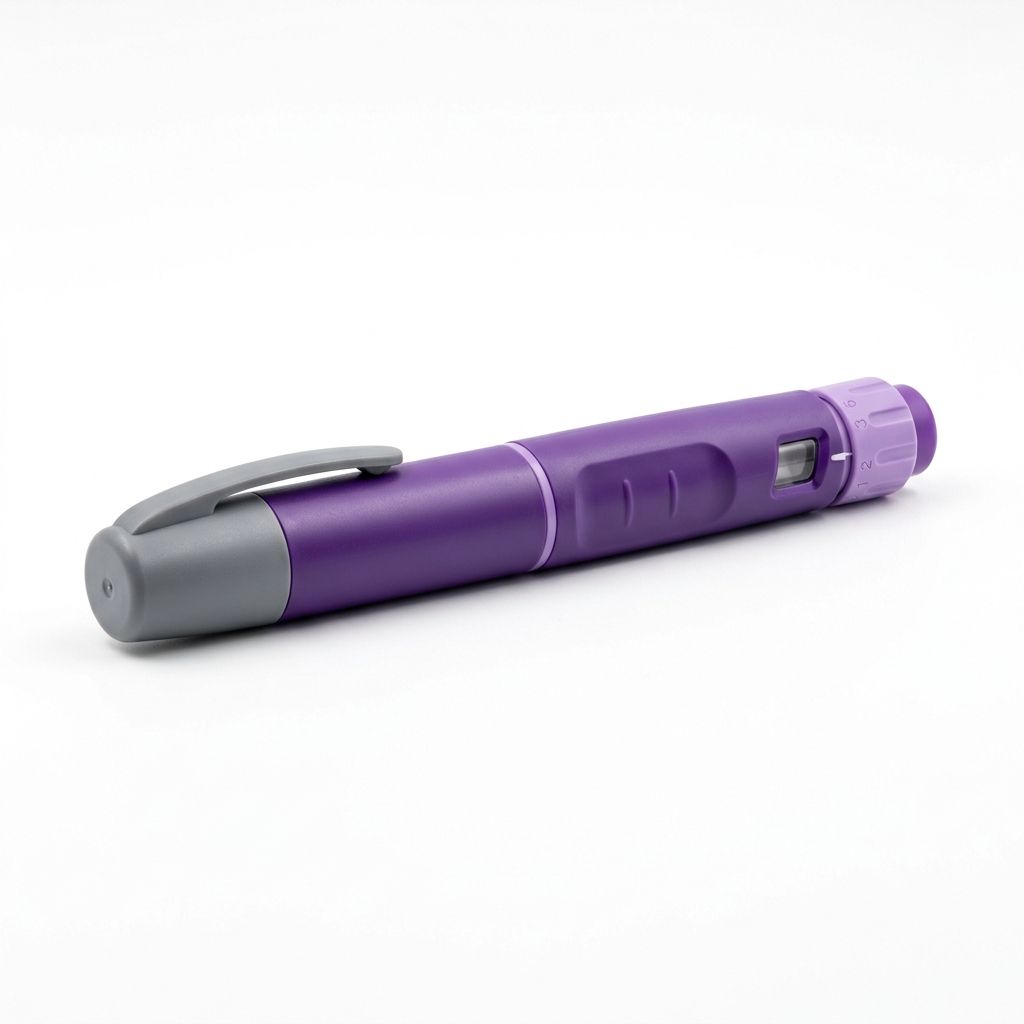
Subcutaneous injection (pre-filled pen). Dual GLP-1 & GIP Receptor Agonist.
Medically reviewed by Dr. Sarah Chen, PharmD • Last updated April 2026
FDA Status
Approved
Manufacturer
Eli Lilly
Generic Name
tirzepatide
Typical Cost
$1,059/mo
Delivery Method
Subcutaneous injection (pre-filled pen)
What is Zepbound?
Zepbound is a dual GLP-1 and GIP receptor agonist medication manufactured by Eli Lilly, FDA-approved in 2023 for chronic weight management in adults with obesity (BMI ≥30) or overweight (BMI ≥27) with at least one weight-related comorbidity. Its active ingredient, tirzepatide, works by activating both GLP-1 and GIP incretin pathways simultaneously — a dual mechanism that reduces appetite, increases satiety, and improves metabolic function more powerfully than single-receptor GLP-1 drugs. In the SURMOUNT-1 clinical trial, patients taking Zepbound at the highest dose (15 mg) lost an average of 20.9% of body weight over 72 weeks, compared to 3.1% on placebo; 57% of participants lost more than 20% of their initial body weight. Zepbound is administered as a once-weekly subcutaneous injection using a pre-filled pen. As of April 2026, Zepbound costs approximately $1,059 per month at retail pharmacies without insurance, though LillyDirect self-pay programs and insurance coverage can significantly reduce out-of-pocket costs. Zepbound produces the highest average weight loss of any currently available GLP-1 medication.
Mechanism of Action
Zepbound is a first-in-class dual GLP-1 and GIP receptor agonist. This dual mechanism targets two key incretin pathways, potentially providing enhanced metabolic benefits over single-agonist therapies.
Clinical Trial Results (SURMOUNT-1)
- Tirzepatide 15mg: 20.9% mean weight loss
- Placebo: 3.1% mean weight loss
- Statistically superior to single GLP-1 agonists in head-to-head data
Common Side Effects
- Nausea (29%) — Generally mild
- Diarrhea (23%) — Usually resolves with dose titration
- Reports of improved GI tolerability compared to semaglutide for many patients
How It Compares
Zepbound and Mounjaro are the same drug (tirzepatide) with different FDA labels — Mounjaro for Type 2 diabetes, Zepbound for obesity. If you’re deciding which to pursue, the distinction is primarily about insurance. See Mounjaro vs Zepbound.
The main competitor for weight loss is Wegovy (semaglutide). Clinical trials show Zepbound produces approximately 5–7% greater weight loss on average, but Wegovy has broader insurance coverage pathways in many plans. See the detailed Wegovy vs Zepbound comparison.
For the class-level comparison between semaglutide and tirzepatide medications, see semaglutide vs tirzepatide.
Frequently Asked Questions
How much does Zepbound cost?
Without insurance, Zepbound costs approximately $1,059 per month at retail pharmacies as of April 2026. Eli Lilly’s savings card reduces the copay to $25/month for commercially insured patients, covering up to 24 months of fills. For patients paying out of pocket, Lilly’s LillyDirect Self Pay Journey program offers Zepbound at $299/month for the 2.5 mg starter dose and $449/month for the 15 mg maintenance dose — a significant reduction from retail. Lilly also launched the Zepbound KwikPen self-pay option, which provides vials at lower unit cost for patients who self-administer. Compounded tirzepatide was available at $150–400/month during the shortage period, but FDA enforcement actions in 2026 have reduced availability. Overall, Zepbound has one of the most affordable self-pay pathways of any high-efficacy GLP-1 medication. Use our cost calculator to compare LillyDirect pricing against your insurance options.
Is Zepbound covered by insurance?
Zepbound coverage is expanding but inconsistent as of April 2026. Many large commercial employer plans now include Zepbound for patients with a BMI ≥30 or ≥27 with at least one weight-related comorbidity (hypertension, Type 2 diabetes, sleep apnea, cardiovascular disease). Medicare coverage is beginning to expand under anti-obesity medication provisions, following new policy guidance that allows coverage when obesity intersects with conditions like cardiovascular disease. Individual Medicare Part D plans vary in their coverage decisions and prior authorization requirements. Despite the positive trend, a meaningful percentage of commercial plans still classify weight-loss medications as excluded from their formulary. Prior authorization is almost universally required even when the drug is covered — your provider will need to submit documentation including your BMI, comorbidities, and treatment history. Check your specific plan’s current formulary through your insurer’s online portal or by calling member services before scheduling a provider appointment.
Zepbound vs Wegovy — which should I choose?
Zepbound (tirzepatide) produced approximately 6% greater mean weight loss than Wegovy (semaglutide) across their respective pivotal trials — 20.9% in SURMOUNT-1 versus 14.9% in STEP-1. For a 220-pound patient, that difference represents roughly 13 additional pounds. Zepbound’s dual GLP-1/GIP mechanism also shows slightly better gastrointestinal tolerability for many patients. However, Wegovy has several meaningful advantages: a longer real-world safety track record (approved 2021 vs 2023), the SELECT cardiovascular outcomes trial showing a 20% reduction in major heart events, and — crucially — the Wegovy Pill at $149/month, which undercuts Zepbound’s injectable pricing significantly. The best choice often depends on your insurance coverage, since plan formularies vary widely. If your plan covers both and cost is not a major factor, Zepbound’s efficacy edge is clinically meaningful. If needle-free convenience and cost matter most, the Wegovy Pill is worth considering. Review the head-to-head Wegovy vs Zepbound page and discuss with your provider.
What’s the difference between Zepbound and Mounjaro?
Zepbound and Mounjaro are pharmacologically identical — the same drug (tirzepatide), the same manufacturer (Eli Lilly), the same dose strengths (2.5 mg through 15 mg), the same pre-filled pen delivery system. The difference is entirely in the FDA label: Mounjaro is approved for Type 2 diabetes management; Zepbound is approved for chronic weight management in adults with obesity or overweight with comorbidities. This label distinction has direct consequences for insurance coverage. Plans that include diabetes medications will typically cover Mounjaro for patients with Type 2 diabetes. Plans with anti-obesity medication benefits will cover Zepbound for patients with obesity. Cross-coverage (e.g., using a diabetes label to get weight-loss coverage) is increasingly flagged by insurers. The most practical rule: if you have Type 2 diabetes as your primary condition, pursue a Mounjaro prescription. If weight loss is your primary goal without a diabetes diagnosis, pursue Zepbound. For self-pay patients, Zepbound’s LillyDirect program at $299–449/month is typically the better-priced option.
How do I get Zepbound for less?
Several pathways can dramatically reduce Zepbound’s cost from the retail price of $1,059/month. First, Eli Lilly’s savings card reduces copays to $25/month for patients with qualifying commercial insurance — the most powerful option if you have employer-sponsored or ACA marketplace coverage. Second, Lilly’s LillyDirect Self Pay Journey offers Zepbound at $299/month (2.5 mg) up to $449/month (15 mg) for patients who pay out of pocket without using insurance. Third, the Zepbound KwikPen provides an alternative delivery format at a lower self-pay unit cost for patients comfortable with vials. Fourth, Lilly’s patient assistance program can provide free medication for qualifying uninsured patients based on income thresholds. Fifth, compounded tirzepatide from 503B-accredited pharmacies at $150–400/month remains available for patients with documented medical needs, though FDA enforcement in 2026 has reduced options. For most uninsured patients, LillyDirect at $299/month is the most straightforward and FDA-approved cost reduction pathway.
How quickly does Zepbound work?
Most patients notice reduced appetite and increased satiety within 1–2 weeks of starting Zepbound, even at the lowest 2.5 mg dose. This early appetite suppression is a reliable signal the medication is engaging both GLP-1 and GIP receptors. Visible, measurable weight loss typically starts during dose escalation — the first 8 to 16 weeks — as doses progress from 2.5 mg through 5 mg and beyond. Most patients see their most dramatic week-over-week weight loss during this escalation phase. In the SURMOUNT-1 clinical trial, patients on the 15 mg maintenance dose lost an average of 20.9% of body weight over 72 weeks. The steepest weight-loss trajectory occurred during the first 36 weeks, with continued but slower loss through week 72. Reaching the maximum tolerated dose is important: patients who plateau at lower doses often see renewed weight loss after dose increases. If you experience significant gastrointestinal side effects at a given dose, your provider may extend the time at that dose before escalating, which is normal and doesn’t compromise long-term results.