Mounjaro®
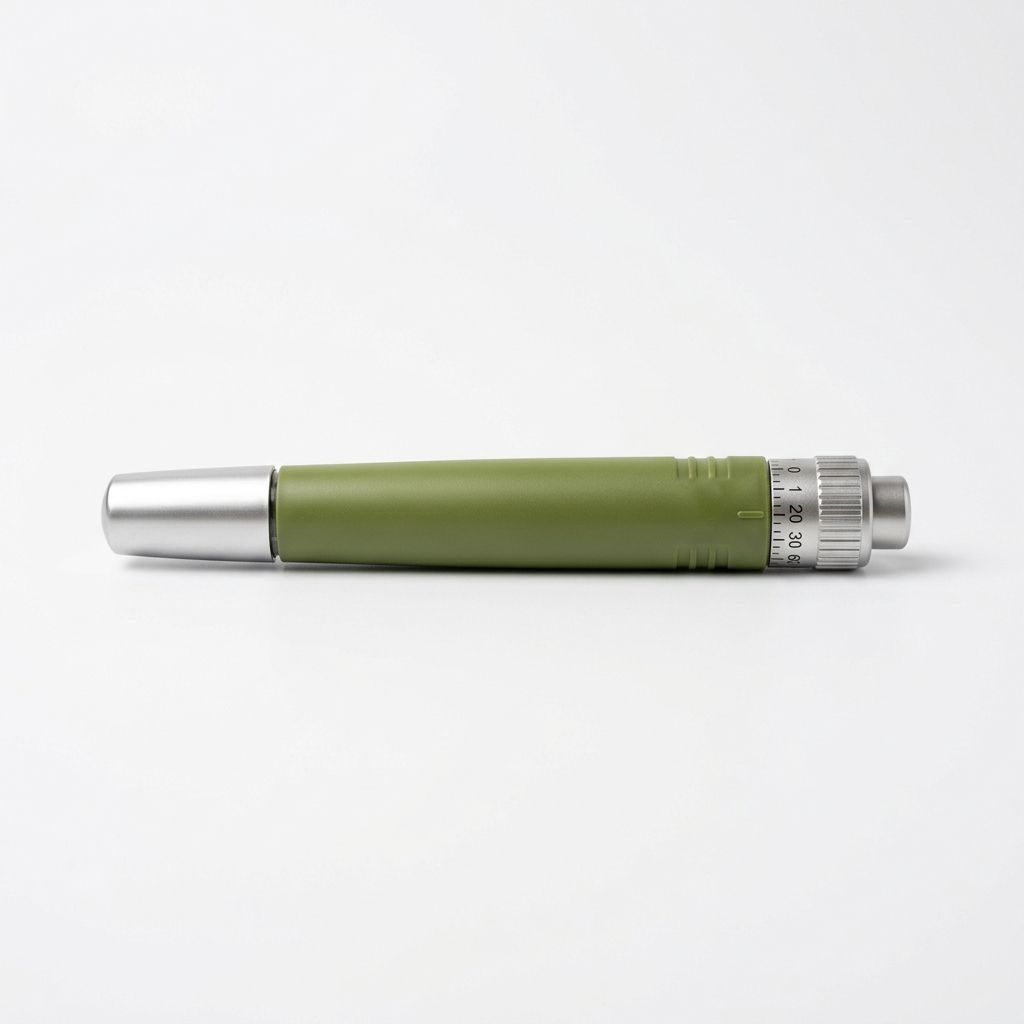
Subcutaneous injection (pre-filled pen). Dual GLP-1/GIP Receptor Agonist.
Medically reviewed by Dr. Sarah Chen, PharmD • Last updated April 2026
FDA Status
Approved
Manufacturer
Eli Lilly
Generic Name
tirzepatide
Typical Cost
$1,023/mo
Delivery Method
Subcutaneous injection (pre-filled pen)
What is Mounjaro?
Mounjaro is a dual GLP-1/GIP receptor agonist medication manufactured by Eli Lilly, FDA-approved in 2022 for blood sugar management in adults with Type 2 diabetes. Its active ingredient, tirzepatide, works by activating both the GLP-1 and GIP incretin receptors simultaneously — a dual mechanism that regulates insulin release, reduces glucagon, slows stomach emptying, and suppresses appetite more powerfully than single-receptor agonists. In clinical trials (SURPASS program), patients taking Mounjaro at the highest dose lost an average of 20.9% of body weight over 72 weeks — significantly more than any single GLP-1 agonist. Mounjaro is administered as a once-weekly subcutaneous injection using a pre-filled pen, with doses ranging from 2.5 mg to 15 mg. As of April 2026, Mounjaro costs approximately $1,023 per month at retail pharmacies without insurance, though Eli Lilly’s savings card and insurance coverage can significantly reduce out-of-pocket costs. Mounjaro contains the same active ingredient as Zepbound, which carries an FDA obesity indication.
Overview
FDA-approved for Type 2 diabetes. Like Ozempic, widely prescribed off-label for weight loss. The dual GLP-1/GIP mechanism produces stronger average weight loss than single GLP-1 agonists.
Pricing
Typical retail pricing for Mounjaro is approximately $1,023/mo without insurance. Compounded alternatives may be available at lower cost through telehealth providers.
How It Works
Mounjaro (tirzepatide) works as a Dual GLP-1/GIP Receptor Agonist. It mimics natural hormones that regulate appetite, blood sugar, and satiety signals.
Common Side Effects
- Nausea (typically worst during dose escalation)
- Diarrhea and constipation
- Headache and fatigue
- Reduced appetite (the intended therapeutic effect)
How It Compares
Mounjaro and Zepbound contain identical active ingredient (tirzepatide) but target different diagnoses: Mounjaro for Type 2 diabetes, Zepbound for obesity. Insurance coverage differs significantly based on your primary diagnosis. See Mounjaro vs Zepbound for the full comparison.
The primary semaglutide competitor is Ozempic for diabetes management. Mounjaro’s dual GLP-1/GIP mechanism consistently produces more weight loss in trials, but Ozempic has a longer clinical track record. See Ozempic vs Mounjaro.
For the broader class comparison between semaglutide and tirzepatide medications, see semaglutide vs tirzepatide.
Frequently Asked Questions
How much does Mounjaro cost without insurance?
Without insurance, Mounjaro costs approximately $1,023 per month at retail pharmacies as of April 2026. This retail price applies across all dose levels (2.5 mg through 15 mg). Eli Lilly’s Mounjaro Savings Card can reduce the copay to as low as $25 per month for commercially insured patients — a dramatic reduction that makes it one of the most cost-accessible branded GLP-1s for patients with qualifying insurance. For uninsured patients, Lilly’s direct-pay program and income-based patient assistance offer additional pathways. Compounded tirzepatide was available through telehealth providers at $150–400/month during the shortage period; however, FDA enforcement actions against some compounders in 2025–2026 have reduced availability and reliability. Compared to Zepbound (the identical drug with an obesity label), Mounjaro’s self-pay pricing is typically less favorable — Zepbound’s LillyDirect program offers $299–449/month for cash-pay patients. If you don’t have diabetes, Zepbound through LillyDirect is often the cheaper uninsured option.
Is Mounjaro approved for weight loss?
Mounjaro is FDA-approved for Type 2 diabetes management, not weight loss. However, its active ingredient — tirzepatide — is the same molecule found in Zepbound, which received a separate FDA approval for chronic weight management in 2023. Mounjaro is one of the most commonly prescribed off-label medications for obesity: doctors frequently write Mounjaro prescriptions for patients who want the weight-loss benefits of tirzepatide but receive better coverage under a diabetes indication. The SURMOUNT-1 trial (which supported Zepbound’s weight-loss approval) used the same tirzepatide doses as Mounjaro, showing 20.9% average weight loss at the 15 mg dose over 72 weeks. If your primary goal is weight loss and you don’t have Type 2 diabetes, insurance coverage is more likely with a Zepbound prescription — since more plans now include anti-obesity medications. Ask your provider which label best fits your clinical profile and insurance formulary.
Mounjaro vs Ozempic — which works better?
In clinical trials, Mounjaro (tirzepatide) consistently produced greater average weight loss than Ozempic (semaglutide) — roughly 20–22% versus 12–15% body weight over similar timeframes. Mounjaro’s dual GLP-1/GIP mechanism activates two distinct incretin pathways rather than one, which appears to drive its superior metabolic outcomes. In the SURPASS-2 trial, which directly compared tirzepatide to semaglutide 1 mg for Type 2 diabetes, patients on the highest tirzepatide dose lost 5.5 kg more body weight and achieved 0.5% greater A1C reduction. For weight loss as a primary goal, the data consistently favors Mounjaro/tirzepatide. That said, Ozempic has a longer safety track record — having been on the market since 2017 — and more established insurance coverage pathways for diabetes, particularly through formularies that predate tirzepatide. Ozempic also has robust cardiovascular outcomes data through the SUSTAIN program. For most new patients seeking weight loss, the clinical evidence favors tirzepatide; for patients prioritizing long-term safety data, semaglutide remains well-supported.
Is there a Mounjaro savings card?
Yes. Eli Lilly’s Mounjaro Savings Card reduces the copay to as low as $25 per month for patients with qualifying commercial insurance — one of the lowest copay points available for any GLP-1 medication. The card covers up to 24 months of fills, after which patients need to re-enroll. Eligibility requirements include valid commercial insurance (employer-sponsored, ACA marketplace, or similar), a valid Mounjaro prescription, and no enrollment in Medicare, Medicaid, or government-funded insurance programs. The card can be activated at mounjaro.com and used at most retail pharmacies in the United States. Patients without any insurance may qualify for Lilly’s income-based patient assistance program, which can provide free or discounted medication. There’s also Lilly’s direct-pay program for self-pay patients who don’t qualify for the savings card. For patients without diabetes who primarily want weight loss, Zepbound’s LillyDirect self-pay program at $299–449/month may be a more accessible route than navigating Mounjaro off-label pricing without insurance support.
Can I get compounded Mounjaro?
Compounded tirzepatide — the active ingredient in Mounjaro — became widely available during the GLP-1 shortage period at $150–400/month through telehealth providers and 503B compounding pharmacies. However, availability has shifted significantly in 2026. The FDA ended the tirzepatide shortage declaration and has issued warning letters to compounders producing tirzepatide at scale without meeting the 503B facility standards. This enforcement activity has reduced the number of providers offering compounded tirzepatide. For patients who can still access it, quality varies significantly by pharmacy. The FDA has flagged concerns about incorrect dosing, sterility issues, and unapproved additives in some compounded tirzepatide products. Choosing a pharmacy with 503B facility accreditation and third-party testing documentation is essential. Given these risks and the availability of Zepbound at $299/month through LillyDirect — which is FDA-approved, quality-controlled, and often comparably priced — the risk-benefit equation for compounded tirzepatide has shifted. Discuss the current landscape with your provider before pursuing compounded options.
What’s the difference between Mounjaro and Zepbound?
Mounjaro and Zepbound contain the identical active ingredient — tirzepatide — made by the same manufacturer (Eli Lilly) at exactly the same dose strengths (2.5 mg through 15 mg). The pharmacological difference is zero. What differs is the FDA label: Mounjaro is approved for Type 2 diabetes management; Zepbound is approved for chronic weight management. This label distinction has major practical consequences for insurance coverage. Commercial insurance plans that include anti-obesity medications will typically cover Zepbound for eligible patients with obesity; those same plans will cover Mounjaro for patients with Type 2 diabetes. Cross-coverage — using a diabetes label to access a weight-loss medication or vice versa — is less common and insurance plans increasingly track indication-specific billing. The most cost-effective choice depends entirely on your diagnosis, your plan’s formulary, and your access to manufacturer savings programs. Use our cost calculator to model both pathways.
How fast does Mounjaro work for weight loss?
Appetite reduction on Mounjaro typically begins within the first 1–2 weeks of starting, even at the lowest 2.5 mg dose. This early satiety signal confirms the medication is engaging the GLP-1 and GIP receptors. Visible weight loss typically starts during dose escalation — roughly weeks 4–16 — as the dose increases from 2.5 mg toward the 5 mg, 7.5 mg, and higher maintenance levels. Most patients see significant cumulative weight loss by the 20-week mark. In the SURMOUNT-1 trial — the pivotal study supporting Zepbound’s obesity approval — patients on the 15 mg dose (the same molecule as Mounjaro) lost an average of 20.9% of body weight over 72 weeks. The steepest weight-loss trajectory typically occurs in the first 36 weeks, with continued but slower loss through week 72. Individual results depend on diet, exercise habits, starting weight, dose tolerance, and adherence through the full titration schedule. Patients who plateau before reaching the 15 mg dose should discuss dose optimization with their provider.