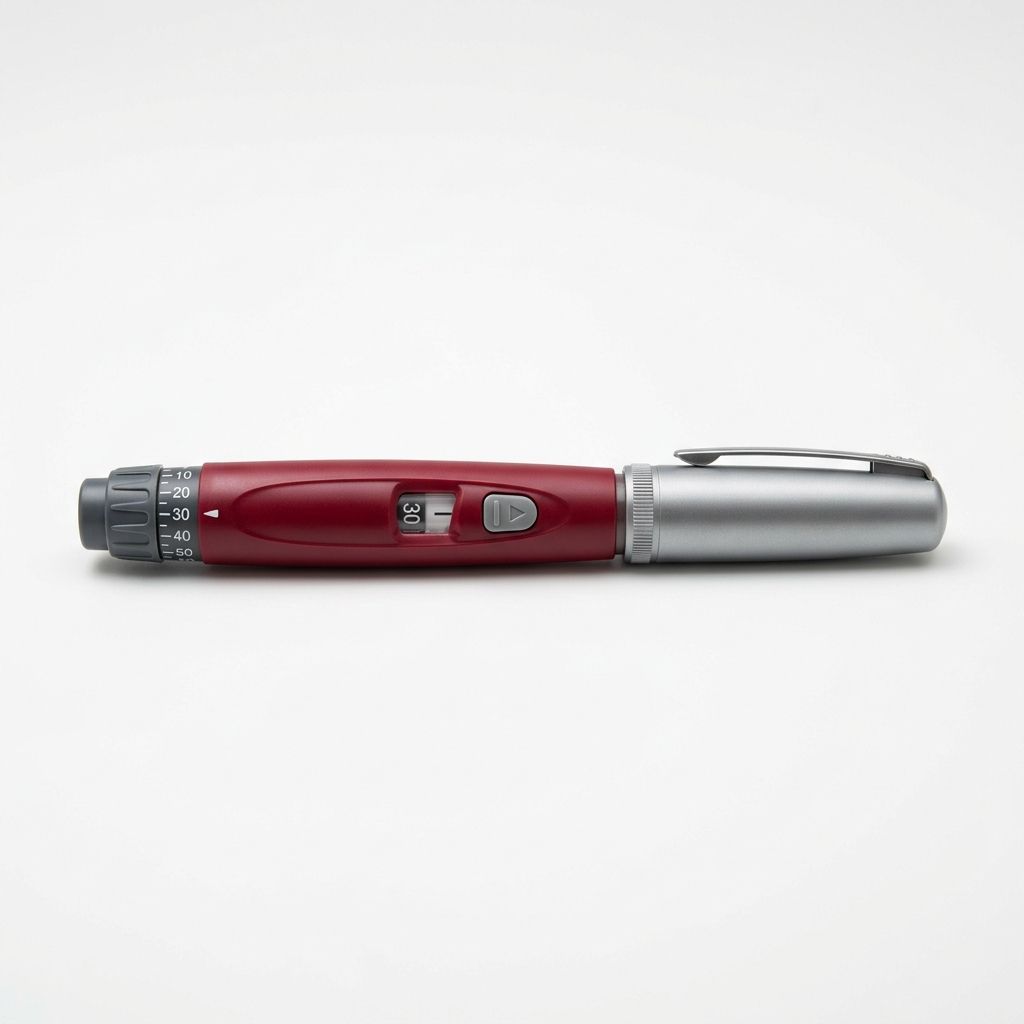
Ozempic
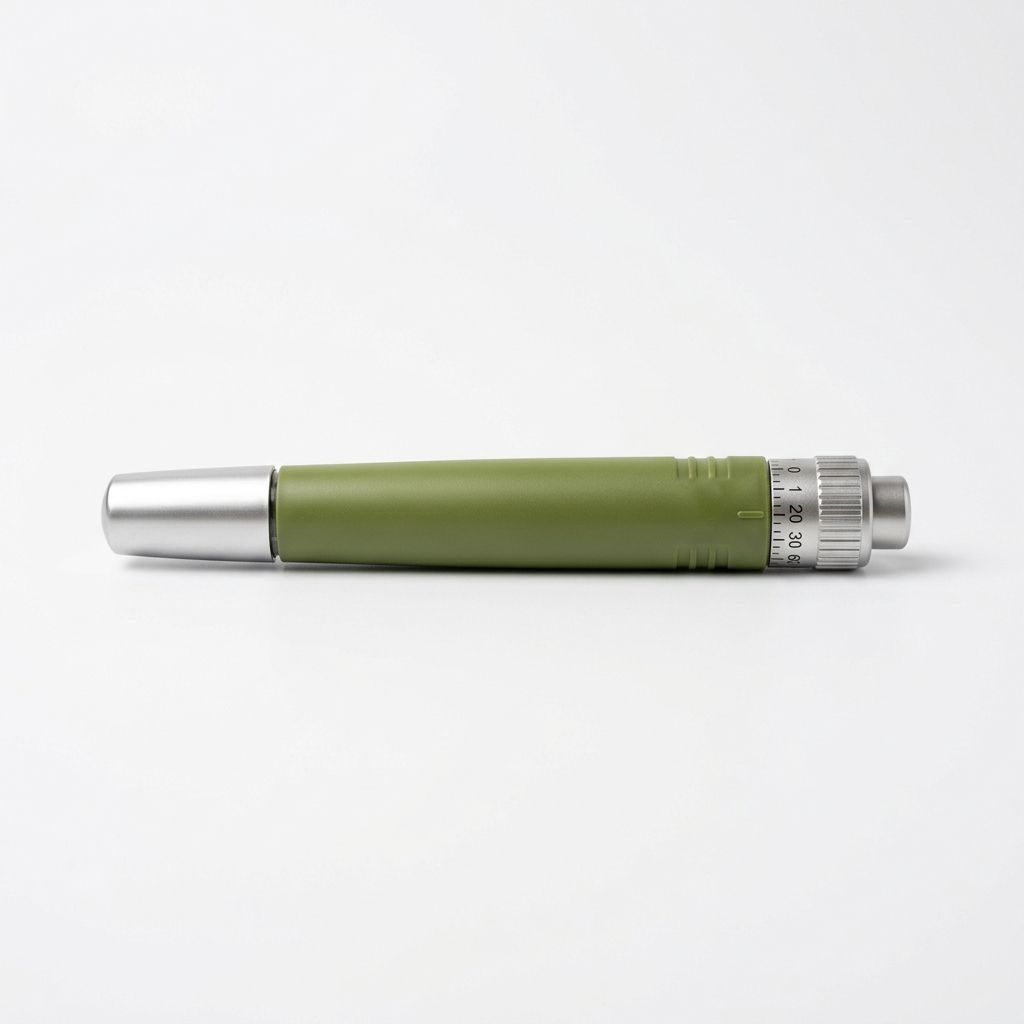
Mounjaro
Ozempic vs. Mounjaro
Mounjaro tends to produce more weight loss as a side effect, while Ozempic has a longer clinical track record and more established insurance pathways for diabetes management.
Key Metrics
Ozempic
Mounjaro
Type 2 Diabetes (2017)
Type 2 Diabetes (2022)
GLP-1 Receptor Agonist
Dual GLP-1 & GIP Receptor Agonist
~12–14% (off-label weight loss)
~15–20% (off-label weight loss)
Ozempic
Key Advantages
- Longest clinical track record (approved 2017)
- Most established insurance coverage
- Highest pharmacy availability
Mounjaro
Key Advantages
- Greater average weight loss due to dual mechanism
- Dual GLP-1/GIP targeting for enhanced metabolic benefits
- $25 commercial copay card available
Trusted Telehealth Providers
Safety first. Access genuine medications through verified medical platforms with board-certified clinical supervision.

Henry Meds
Specializing in transparent, monthly subscription models for compounded options.

Hims
Streamlined digital-first experience with competitive all-in pricing.

Ro Weight Loss
White-glove concierge insurance support for brand-name GLP-1 therapy.
Overview
Both are FDA-approved for Type 2 diabetes, but they work differently. Ozempic is a GLP-1 agonist, Mounjaro is a dual GLP-1/GIP agonist.
Key Differences
| Factor | Ozempic | Mounjaro |
|---|---|---|
| Generic Name | Semaglutide | Tirzepatide |
| FDA Indication | Type 2 Diabetes (2017) | Type 2 Diabetes (2022) |
| Mechanism | GLP-1 Agonist | Dual GLP-1 & GIP Agonist |
| Monthly Cost (Retail) | $850–$970 | $1,023–$1,112 |
| Savings Card | NovoCare programs | $25 commercial copay card |
| Administration | Weekly injection | Weekly injection |
| Max Dose | 2mg | 15mg |
| Weight Loss (off-label) | ~12–14% | ~15–20% |
| Manufacturer | Novo Nordisk | Eli Lilly |
Mechanism of Action
Ozempic works by mimicking the GLP-1 hormone, which regulates blood sugar, slows gastric emptying, and reduces appetite. It targets a single incretin pathway.
Mounjaro targets both GLP-1 and GIP (glucose-dependent insulinotropic polypeptide) receptors. This dual action may explain the greater weight loss and metabolic improvements seen in clinical trials.
A1C Reduction
Both are highly effective for blood sugar control. Mounjaro showed slightly superior A1C reduction in the SURPASS trials compared to Ozempic in SUSTAIN trials, but both consistently achieve A1C reductions of 1.0–1.8% in most patients.
How It Compares
- Semaglutide vs Tirzepatide — the broader drug class comparison
- Mounjaro vs Zepbound — same drug, diabetes vs weight loss indication
- Ozempic vs Wegovy — same drug, diabetes vs weight loss indication
Frequently Asked Questions
Which is better for weight loss — Ozempic or Mounjaro?
Mounjaro (tirzepatide) consistently produces greater weight loss than Ozempic (semaglutide) across clinical trials due to its dual GLP-1/GIP mechanism, which activates two incretin pathways instead of one. In the SURPASS-2 trial — a direct head-to-head comparison of tirzepatide versus semaglutide 1 mg — patients on the highest tirzepatide dose lost an average of 11.2 kg versus 6.2 kg on semaglutide, a 5 kg advantage. When comparing each drug’s maximum approved doses in their respective pivotal trials, the numbers are striking: tirzepatide showed ~20.9% weight loss in SURMOUNT-1 versus ~14.9% for semaglutide in STEP-1 (Wegovy formulation). For Type 2 diabetes patients with weight loss as a secondary priority, Mounjaro’s dual mechanism delivers meaningful added benefit. However, keep in mind that both medications are FDA-approved for Type 2 diabetes in this comparison — if weight loss is your primary goal without diabetes, consider their obesity-labeled counterparts Zepbound and Wegovy.
Which has better insurance coverage?
Ozempic has been on the market since 2017, giving it more than eight years of formulary inclusion across commercial plans and Medicare Part D. Its insurance infrastructure is highly established — most diabetes formularies include Ozempic with clear prior authorization pathways. Mounjaro, approved in 2022, has been catching up rapidly. The Mounjaro $25 savings card is particularly competitive for commercially insured patients, and many plans now include it as a Tier 2 or Tier 3 diabetes medication. For patients without insurance or with limited formulary access, Mounjaro does not have as robust a self-pay program as Ozempic’s NovoCare. The SUSTAIN-8 trial data comparing Ozempic to older agents has cemented its formulary position, while Mounjaro’s SURPASS program data supports its inclusion in more plans each year. Check your specific plan’s formulary — in some cases, Mounjaro’s $25 copay card makes it the more affordable option despite Ozempic’s longer market presence.
Can I switch between them?
Yes, switching between Ozempic and Mounjaro is common in clinical practice and done under physician supervision. The most common reasons for switching are: insufficient weight loss or A1C response on the current drug, intolerability, or insurance formulary changes. There is no direct dose conversion between semaglutide and tirzepatide — they are different molecules with different potency profiles. Your doctor will typically start at a lower tirzepatide dose and titrate up based on your response, even if you were well-established on a high semaglutide dose. Expect a transitional period of 4–8 weeks where GI side effects may return briefly during titration. In the SURPASS-2 trial, patients who benefited from semaglutide also showed additional improvements when switched to tirzepatide, supporting the clinical rationale for upgrading in patients who want more weight loss or better glycemic control.
Keep Reading
- Wegovy vs Zepbound — the weight-loss versions compared
- Complete GLP-1 Cost Guide — every pricing pathway
- State-by-State Insurance Coverage — check your state’s coverage