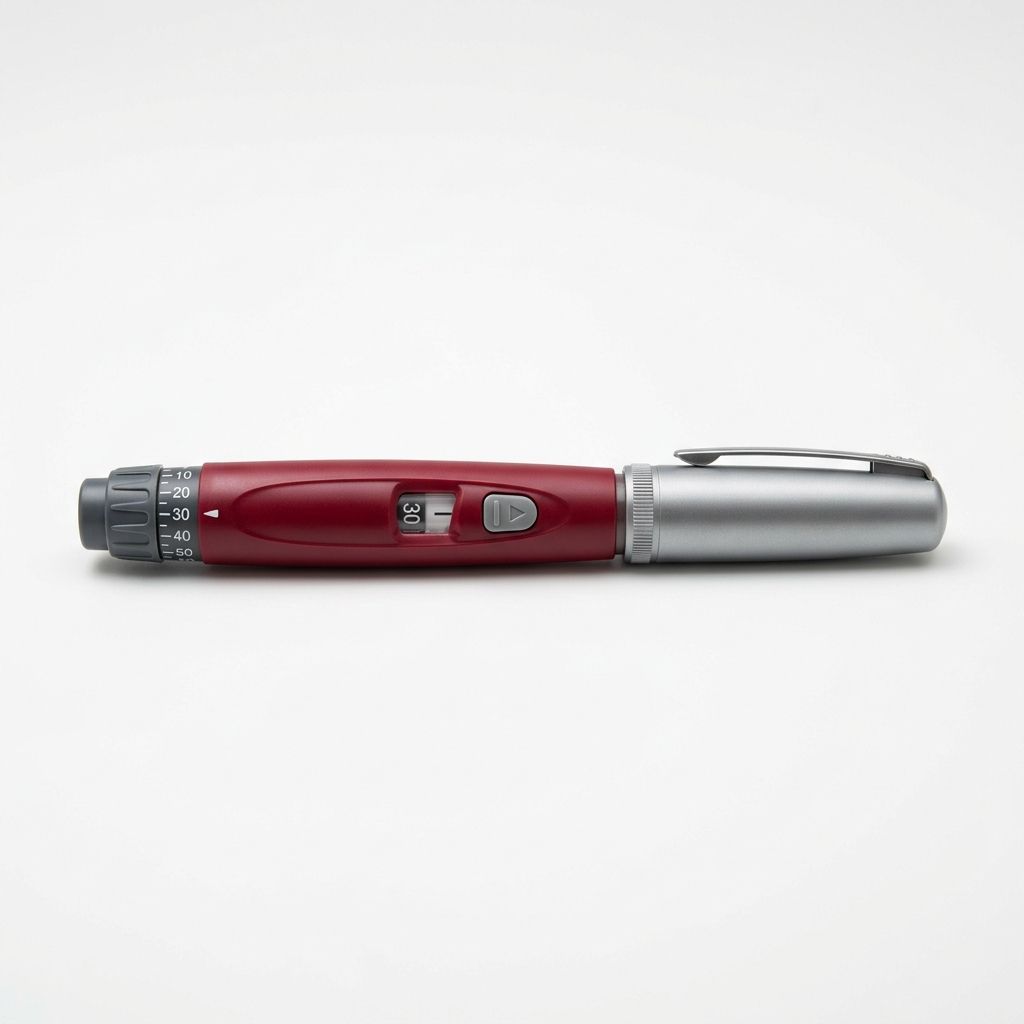
Ozempic
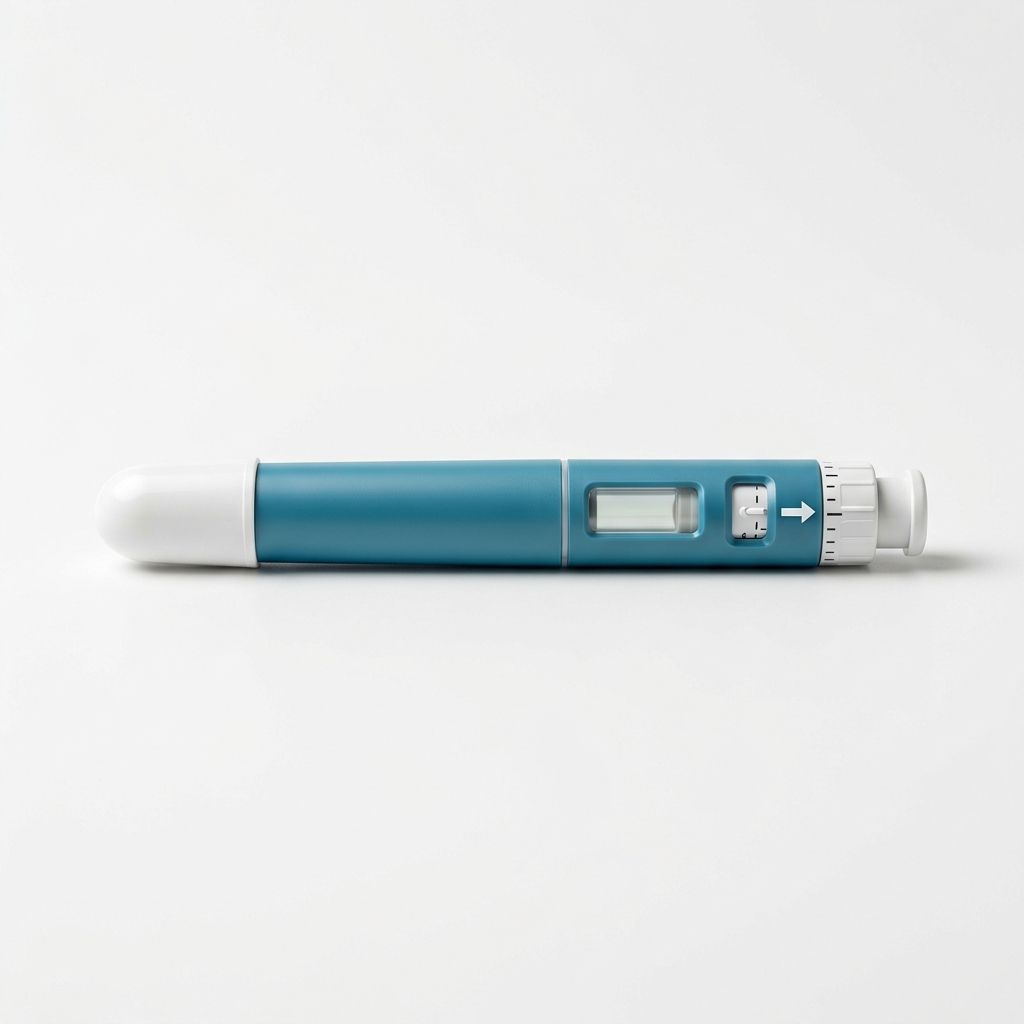
Wegovy
Ozempic vs. Wegovy
Ozempic is generally easier to get covered through insurance for diabetes. Wegovy has stronger weight-loss trial data but costs more out of pocket for weight management patients.
Key Metrics
Ozempic
Wegovy
Type 2 Diabetes (2017)
Weight Management (2021)
GLP-1 Receptor Agonist
GLP-1 Receptor Agonist
~12–14% (off-label, varies)
~14.9% (STEP-1 trial)
Ozempic
Key Advantages
- More established insurance coverage for diabetes patients
- Lower retail price than Wegovy
- Widely available at most pharmacies
Wegovy
Key Advantages
- FDA-approved specifically for weight management
- Higher doses available (2.4mg vs 2mg max)
- Oral tablet option now available (Wegovy Pill)
Trusted Telehealth Providers
Safety first. Access genuine medications through verified medical platforms with board-certified clinical supervision.

Henry Meds
Specializing in transparent, monthly subscription models for compounded options.

Hims
Streamlined digital-first experience with competitive all-in pricing.

Ro Weight Loss
White-glove concierge insurance support for brand-name GLP-1 therapy.
Overview
Both contain semaglutide, but Ozempic is FDA-approved for diabetes while Wegovy is approved for weight loss. Pricing, insurance coverage, and off-label access differ significantly.
Key Differences
| Factor | Ozempic | Wegovy |
|---|---|---|
| FDA Indication | Type 2 Diabetes | Chronic Weight Management |
| Monthly Cost (Cash) | $850–$970 | ~$1,349 |
| Max Dose | 2mg weekly | 2.4mg weekly |
| Forms | Injection only | Injection + oral tablet |
| Manufacturer | Novo Nordisk | Novo Nordisk |
| FDA Approval Year | 2017 | 2021 |
| Mean Weight Loss | ~12–14% (off-label) | ~14.9% (STEP-1) |
Which Should You Choose?
Choose Ozempic if: You have Type 2 diabetes (or prediabetes), your insurance covers it for diabetes, or you want a lower-cost option. Many patients get Ozempic covered for diabetes and benefit from weight loss as a side effect.
Choose Wegovy if: Your primary goal is weight management, you want the higher 2.4mg dose, or you prefer the oral tablet option. Wegovy has the clinical trial data specifically for weight loss.
Insurance & Pricing
Ozempic has significantly better insurance coverage because it’s a diabetes medication — most commercial plans cover it with the $25 Novo Nordisk savings card. Wegovy coverage for weight loss is more limited, though expanding. NovoCare offers Wegovy at $349/mo for self-pay patients.
How It Compares
- Semaglutide vs Tirzepatide — how semaglutide stacks up against the dual-agonist competitor
- Wegovy Pill vs Wegovy Injection — comparing the two Wegovy formats
- Complete GLP-1 Cost Guide — every pricing pathway
Frequently Asked Questions
Can I use Ozempic for weight loss?
Ozempic is FDA-approved only for Type 2 diabetes, but doctors commonly prescribe it off-label for weight loss. Off-label prescribing is legal and common in medicine. However, your insurance is significantly more likely to cover it if prescribed for a diabetes indication — commercial plans rarely cover Ozempic for the weight-loss indication since it lacks an obesity FDA label. Patients who receive Ozempic for diabetes and benefit from weight loss as a secondary effect are in the most favorable coverage position. If weight management is your primary goal without a diabetes diagnosis, Wegovy — which carries an obesity-specific FDA approval — has better pathways for anti-obesity medication insurance benefits. The clinical outcomes between the two are similar since the active ingredient is identical; the difference is which indication your insurance plan will authorize. Discuss with your provider which diagnosis best fits your clinical picture and which will optimize your insurance access.
Is Wegovy just a higher dose of Ozempic?
Both Wegovy and Ozempic contain semaglutide and are made by Novo Nordisk, but calling Wegovy simply “a higher dose” understates the clinical distinction. Wegovy is specifically studied, titrated, and FDA-approved for chronic weight management at doses up to 2.4 mg per week. Ozempic maxes at 2.0 mg and was approved for Type 2 diabetes. The pivotal STEP 1 trial for Wegovy’s obesity approval specifically used the 2.4 mg dose in an obese population and showed 14.9% mean weight loss — data that doesn’t directly translate to Ozempic’s diabetes trials. Wegovy also has data from the SELECT cardiovascular outcomes trial (2.4 mg dose, obese patients with cardiovascular disease), which showed a 20% reduction in major adverse cardiac events — a distinct clinical achievement beyond what diabetes-focused Ozempic trials established. The higher dose, obesity-specific titration, and additional outcomes data make Wegovy a clinically distinct product, not simply a higher-dose repackaging.
Why is Wegovy more expensive than Ozempic?
Wegovy carries a higher list price ($1,349/month vs $850–970/month for Ozempic) primarily because it’s positioned as a dedicated weight management drug at a higher maximum dose (2.4 mg vs 2.0 mg), with premium obesity-indication branding. Pharmaceutical pricing in the U.S. is based partly on perceived therapeutic value and market positioning, not just manufacturing cost. However, through NovoCare self-pay and savings programs, the out-of-pocket gap has narrowed significantly. Injectable Wegovy is available at $349/month through NovoCare, and the oral Wegovy Pill starts at $149/month — making semaglutide-based weight management more accessible than the retail price implies. With insurance, the copay for either drug through manufacturer cards can be as low as $25/month. If cost is your primary concern, the Wegovy Pill at $149/month delivers comparable outcomes to the injection at a fraction of the traditional retail price difference.
Keep Reading
- Ozempic vs Mounjaro — comparing the two leading diabetes GLP-1s
- Wegovy Pill vs Injection — oral vs injectable Wegovy
- State-by-State Insurance Coverage — check your state’s GLP-1 coverage