Ozempic®
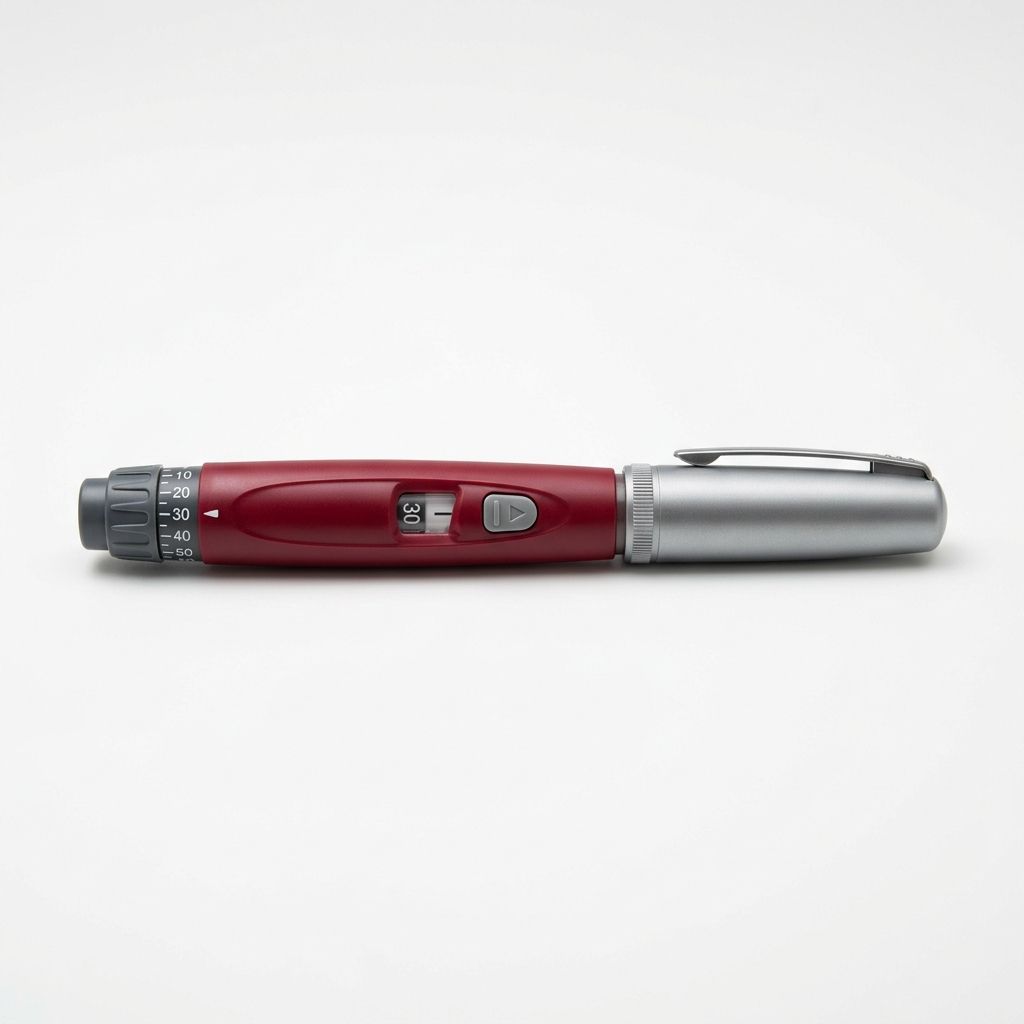
Subcutaneous injection (pre-filled pen). GLP-1 Receptor Agonist.
Medically reviewed by Dr. Sarah Chen, PharmD • Last updated April 2026
FDA Status
Approved
Manufacturer
Novo Nordisk
Generic Name
semaglutide
Typical Cost
$850-970/mo
Delivery Method
Subcutaneous injection (pre-filled pen)
What is Ozempic?
Ozempic is a GLP-1 receptor agonist medication manufactured by Novo Nordisk, FDA-approved in 2017 for blood sugar management in adults with Type 2 diabetes. Its active ingredient, semaglutide, works by mimicking the body’s natural GLP-1 hormone to stimulate insulin release, suppress glucagon, slow gastric emptying, and reduce appetite. In clinical trials (SUSTAIN program), patients taking Ozempic achieved average A1C reductions of 1.0–1.8% and lost 10–15% of body weight as a meaningful secondary effect. Ozempic is administered as a once-weekly subcutaneous injection using a pre-filled pen, with doses ranging from 0.5 mg to 2 mg. As of April 2026, Ozempic costs approximately $850–970 per month at retail pharmacies without insurance, though NovoCare savings programs and insurance coverage can significantly reduce out-of-pocket costs. While not FDA-approved for obesity, Ozempic is widely prescribed off-label for weight management — it shares the same active ingredient as Wegovy but is approved at a lower maximum dose.
Overview
Originally FDA-approved for Type 2 diabetes, Ozempic has become one of the most prescribed GLP-1 medications. While not FDA-approved for weight loss specifically, it’s widely prescribed off-label for weight management.
Pricing
Typical retail pricing for Ozempic is approximately $850-970/mo without insurance. Compounded alternatives may be available at lower cost through telehealth providers.
How It Works
Ozempic (semaglutide) works as a GLP-1 Receptor Agonist. It mimics natural hormones that regulate appetite, blood sugar, and satiety signals.
Common Side Effects
- Nausea (typically worst during dose escalation)
- Diarrhea and constipation
- Headache and fatigue
- Reduced appetite (the intended therapeutic effect)
How It Compares
Ozempic and Wegovy share the same active ingredient (semaglutide) but serve different FDA indications: Ozempic for Type 2 diabetes, Wegovy for obesity. The distinction matters most for insurance coverage. See the Ozempic vs Wegovy comparison for a full breakdown.
For diabetes management, Mounjaro (tirzepatide) is the primary competitor — its dual GLP-1/GIP mechanism tends to produce more weight loss as a secondary benefit. See Ozempic vs Mounjaro for the clinical comparison.
For patients considering the broader semaglutide vs tirzepatide question, see the full class comparison.
Frequently Asked Questions
How much does Ozempic cost without insurance?
Without insurance, Ozempic typically costs $850–970 per month at retail pharmacies as of April 2026. This price reflects the 0.5 mg, 1 mg, and 2 mg pre-filled pens. With a commercial insurance plan and the Novo Nordisk NovoCare savings card, eligible patients may pay as little as $25–50 per month for up to 24 months of fills — a substantial reduction from retail. Medicare and Medicaid generally do not cover Ozempic for weight loss, since its FDA approval is for Type 2 diabetes only; however, patients with a confirmed diabetes diagnosis typically receive robust coverage. For patients prescribed Ozempic off-label for weight loss without insurance, the full retail price applies. Compounded semaglutide through telehealth providers was an alternative at $150–350/month, though FDA actions in 2026 have restricted compounding availability. For weight-loss-specific coverage, consider Wegovy (same active ingredient, obesity FDA indication). Use our cost calculator to compare your specific access pathway.
Is there a generic version of Ozempic?
As of April 2026, no FDA-approved generic semaglutide injection exists in the United States. Novo Nordisk holds patents on Ozempic that are not expected to expire until the early 2030s, which means no true generic equivalent is legally available through standard pharmaceutical channels. However, two alternative pathways exist for lower-cost semaglutide access. First, oral Wegovy Pill — brand-name but priced at $149/month through NovoCare — uses the same active ingredient and is FDA-approved for weight management. Second, compounded semaglutide from 503B pharmacies was available at $150–350/month during the shortage period, though the FDA ended the shortage declaration in February 2026, significantly restricting compounding at scale. The landscape may shift as patent litigation and regulatory approvals evolve. If cost is your primary concern, ask your provider about the NovoCare savings card or patient assistance programs — these can make brand-name Ozempic significantly more affordable without the quality risks of compounded versions.
Does insurance cover Ozempic for weight loss?
Most commercial insurance plans cover Ozempic only for its FDA-approved indication: Type 2 diabetes. If your doctor prescribes it off-label for weight loss without a diabetes diagnosis, coverage is unlikely — and insurers routinely deny claims for off-label weight management. The pharmacy will typically bill your insurance with the diagnosis code on the prescription; if it’s not Type 2 diabetes, the claim often rejects at the adjudication stage. For weight-loss-specific insurance coverage, Wegovy (same active ingredient, semaglutide, but with an obesity-specific FDA approval) has significantly better coverage pathways through commercial plans. An increasing number of large employer plans now include anti-obesity medications in their formularies, and the Wegovy obesity indication is what triggers that coverage. If you have both diabetes and overweight/obesity, your provider may be able to prescribe Ozempic for the diabetes indication while you benefit from the weight loss effect. Verify your plan’s specific formulary before filling.
What’s the difference between Ozempic and Wegovy?
Both Ozempic and Wegovy contain semaglutide and are manufactured by Novo Nordisk, but they have meaningfully different FDA profiles. Ozempic is approved for Type 2 diabetes at a maximum dose of 2.0 mg per week; Wegovy is approved for chronic weight management at a maximum dose of 2.4 mg per week. The higher dose ceiling in Wegovy is specifically associated with the greater weight-loss outcomes seen in the STEP 1 trial (14.9% mean weight loss). The main practical differences are insurance coverage, dose ceiling, and available formulations: Ozempic is injection-only, while Wegovy now comes in both injectable and oral tablet forms. Wegovy also has a distinct clinical advantage — the SELECT cardiovascular outcomes trial demonstrated a 20% reduction in major adverse cardiac events in obese patients with established cardiovascular disease. For diabetes management, Ozempic is the appropriate choice. For weight loss in patients without diabetes, Wegovy — particularly the oral pill — is typically the better option.
How do I get an Ozempic savings card?
Novo Nordisk offers a savings card through their NovoCare program at ozempic.com that can reduce your copay to as low as $25 per month for up to 24 months. Eligibility requirements include: you must have commercial insurance (employer plan, ACA marketplace plan, or similar), a valid Ozempic prescription, and you must not be enrolled in Medicare, Medicaid, or any other government-funded healthcare program. These restrictions exist because manufacturer savings cards are prohibited in government programs under federal Anti-Kickback rules. To activate the card, visit ozempic.com/savings-offer, enter your insurance and prescription information, and download the digital card or request a physical card. The card is accepted at the vast majority of retail pharmacies across the United States. After 24 months, you’ll need to re-enroll or explore other programs. If you’re on Medicare or Medicaid, ask your provider about the NovoCare Patient Assistance Program, which may provide free medication based on income eligibility.
How long does it take for Ozempic to work for weight loss?
Most patients notice appetite suppression and reduced hunger within the first 1–2 weeks of starting Ozempic, even at the lowest dose. This early satiety signal is a reliable early indicator that the medication is working. Meaningful, measurable weight loss typically begins during dose escalation — between weeks 4 and 12 — as your dose increases from 0.25 mg to 0.5 mg and beyond. Weight loss continues to accelerate through the maintenance dose phase. The SUSTAIN clinical trial program showed an average of approximately 12–15% body weight loss over 68 weeks at the 2 mg dose in patients using semaglutide for weight management purposes. Individual results vary based on starting weight, diet quality, physical activity, and whether the full maintenance dose is reached and tolerated. Patients who plateau before reaching the maximum dose should discuss dose optimization with their provider. Weight typically continues declining through week 60+ — patience through the full titration schedule is critical for maximum results.
Can I drink alcohol while taking Ozempic?
Moderate alcohol consumption is generally considered safe while taking Ozempic, but there are important interactions to understand. Alcohol can significantly worsen the most common GLP-1 side effects — particularly nausea, vomiting, and stomach discomfort — especially during the dose escalation phase when gastrointestinal sensitivity is highest. For patients with Type 2 diabetes, alcohol also creates an additional risk: it can cause unpredictable blood sugar drops (hypoglycemia), especially when combined with semaglutide’s insulin-stimulating effects. Beyond side effects, semaglutide may change alcohol tolerance — some patients report feeling the effects of alcohol more strongly or losing interest in drinking altogether; this appears to be related to the GLP-1 receptor’s role in reward pathways in the brain. Most providers recommend limiting alcohol to no more than 1–2 drinks per occasion during dose escalation, and being cautious at the maintenance dose as well. If you have a history of alcohol use disorder or pancreatitis, discuss this explicitly with your provider before starting Ozempic.