Saxenda®
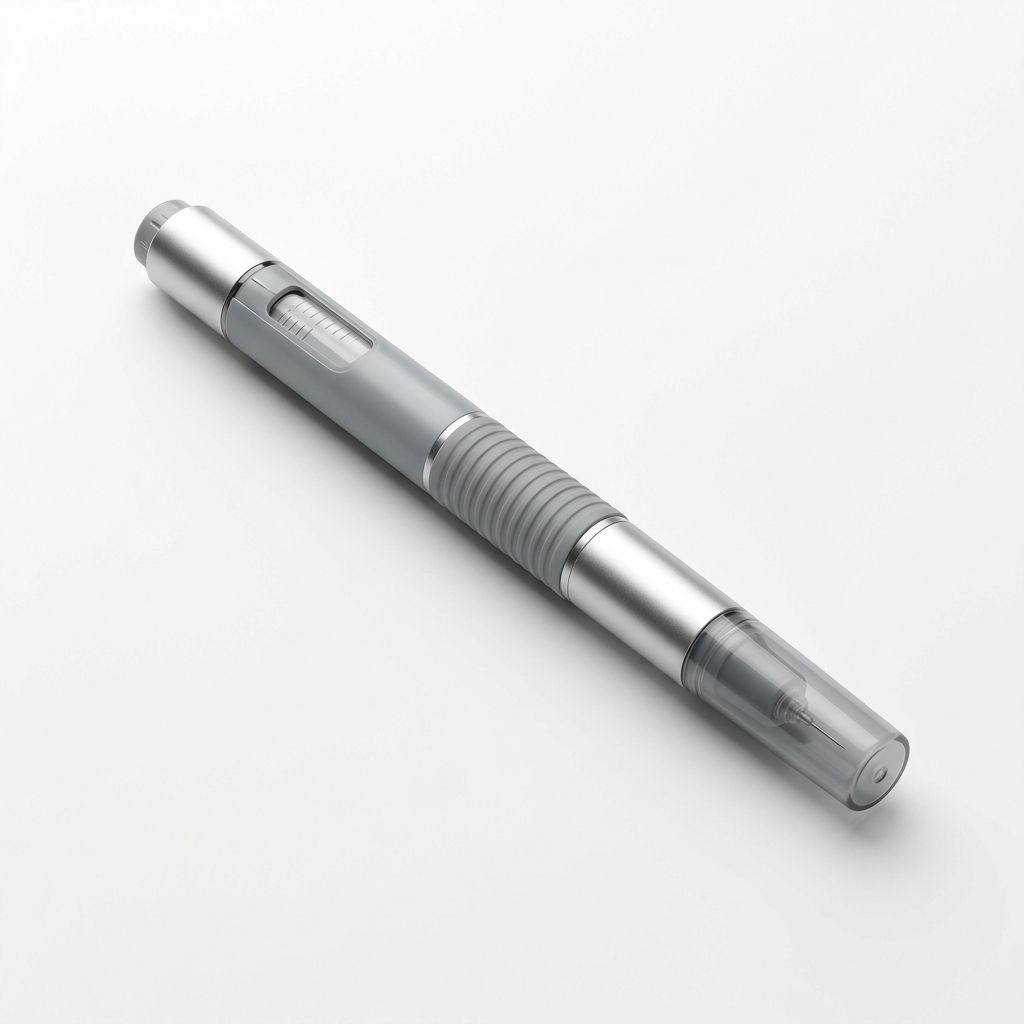
Subcutaneous injection (pre-filled pen). GLP-1 Receptor Agonist.
Medically reviewed by Dr. Sarah Chen, PharmD • Last updated April 2026
FDA Status
Approved
Manufacturer
Novo Nordisk
Generic Name
liraglutide
Typical Cost
$1,350/mo
Delivery Method
Subcutaneous injection (pre-filled pen)
What is Saxenda?
Saxenda is a GLP-1 receptor agonist medication manufactured by Novo Nordisk, FDA-approved in 2014 for chronic weight management in adults with obesity (BMI ≥30) or overweight (BMI ≥27) with at least one weight-related comorbidity. Its active ingredient, liraglutide, works by mimicking the GLP-1 hormone to reduce appetite, slow gastric emptying, and increase feelings of satiety. In clinical trials (SCALE program), patients taking Saxenda lost an average of 5–8% of body weight over 56 weeks — a meaningful result for its era, though newer agents now produce significantly more. Saxenda is administered as a once-daily subcutaneous injection using a pre-filled pen, with doses escalating from 0.6 mg to a 3.0 mg maintenance dose over five weeks. As of April 2026, Saxenda costs approximately $1,350 per month at retail pharmacies without insurance, though NovoCare savings programs and insurance coverage can significantly reduce out-of-pocket costs. Saxenda requires daily injections — a notable disadvantage compared to the weekly injection schedule of newer alternatives like Wegovy and Zepbound.
Overview
One of the first GLP-1s approved for weight management. Daily injection (vs weekly for newer options). Being increasingly replaced by semaglutide and tirzepatide due to stronger efficacy data.
Pricing
Typical retail pricing for Saxenda is approximately $1,350/mo without insurance. Compounded alternatives may be available at lower cost through telehealth providers.
How It Works
Saxenda (liraglutide) works as a GLP-1 Receptor Agonist. It mimics natural hormones that regulate appetite, blood sugar, and satiety signals.
Common Side Effects
- Nausea (typically worst during dose escalation)
- Diarrhea and constipation
- Headache and fatigue
- Reduced appetite (the intended therapeutic effect)
How It Compares
Saxenda (liraglutide) was an early GLP-1 weight-loss option but has largely been superseded in clinical performance by newer agents. Wegovy (semaglutide) produces roughly 14–15% average weight loss versus ~5–8% for Saxenda in trials. Zepbound (tirzepatide) goes even further at 20–22%.
For most patients starting GLP-1 therapy today, Wegovy or Zepbound are the primary options. The semaglutide vs tirzepatide comparison covers the two leading modern agents.
Saxenda may still be relevant for patients with specific insurance restrictions or contraindications to newer agents. Compare your options with our GLP-1 cost calculator.
Frequently Asked Questions
How much does Saxenda cost per month?
Without insurance, Saxenda costs approximately $1,350 per month at retail pharmacies as of April 2026 — making it one of the most expensive GLP-1 options despite producing significantly less weight loss than newer alternatives. With commercial insurance and the Novo Nordisk NovoCare savings card, copays can drop to $25–50 per month for eligible patients. The cost-to-efficacy comparison is unfavorable for Saxenda: it costs roughly the same as Wegovy ($1,350/month retail) but produces only 5–8% average weight loss compared to Wegovy’s 14.9% in the STEP 1 trial. Newer alternatives also offer better pricing pathways: injectable Wegovy is available through NovoCare at $349/month, and the Wegovy Pill starts at $149/month. If you’re currently on Saxenda and paying out of pocket, the financial case for switching to a more effective medication is strong. Discuss with your provider whether transitioning to a higher-efficacy option makes clinical and financial sense for your situation.
Is Saxenda still worth taking in 2026?
For most patients starting GLP-1 therapy today, Saxenda is no longer the first-choice recommendation. The evidence is straightforward: Saxenda (liraglutide) produces 5–8% average weight loss in clinical trials, while Wegovy (semaglutide) achieves 14.9% in STEP-1 and Zepbound (tirzepatide) achieves 20.9% in SURMOUNT-1. Saxenda also requires daily injections, while Wegovy and Zepbound need only weekly injections. And at $1,350/month retail, Saxenda is priced similarly to Wegovy injection while delivering considerably less. There are still limited scenarios where Saxenda may be appropriate: patients who previously tolerated Saxenda well and don’t want to retitrate a new medication, patients with specific contraindications to semaglutide or tirzepatide, or cases where insurance covers Saxenda but not newer alternatives. If you’re currently on Saxenda and not achieving your weight-loss goals, or if cost is a concern, this is worth a conversation with your provider about transitioning to a more effective agent.
What’s the difference between Saxenda and Wegovy?
Both Saxenda and Wegovy are injectable GLP-1 receptor agonists FDA-approved for chronic weight management, but they differ significantly in efficacy, convenience, and mechanism. Saxenda contains liraglutide and requires a once-daily injection, producing an average of 5–8% body weight loss in clinical trials (SCALE program). Wegovy contains semaglutide — a different GLP-1 agonist molecule — and requires only once-weekly injections, producing 14.9% average weight loss in the STEP-1 trial. Beyond efficacy and injection frequency, Wegovy also has cardiovascular outcomes data: the SELECT trial showed a 20% reduction in major adverse cardiac events in patients with obesity and established cardiovascular disease — a clinically significant finding that Saxenda lacks. The pricing difference is relatively small at retail ($1,350/month for both), but Wegovy’s NovoCare self-pay program offers injectable Wegovy at $349/month. For most patients, Wegovy represents a meaningfully better clinical choice on all major dimensions.
Does Saxenda require daily injections?
Yes. Saxenda is injected once daily, typically at the same time each day (morning is common), into the abdomen, thigh, or upper arm. This is a significant inconvenience compared to newer GLP-1 options: Wegovy and Zepbound both require only once-weekly injections, which most patients find substantially easier to maintain long-term. The daily injection schedule is a primary driver of the shift away from Saxenda in clinical practice. In chronic weight management, adherence matters enormously — patients who miss doses frequently don’t achieve the clinical trial weight-loss averages. Research consistently shows that weekly dosing improves adherence versus daily regimens for injectable medications. For patients who are needle-averse entirely, the oral Wegovy Pill ($149/month) and Foundayo ($149/month) now offer viable daily pill alternatives with no injections required. If the daily injection schedule is a barrier for you, discuss with your provider whether a weekly injectable like Wegovy or Zepbound, or an oral GLP-1, would improve your adherence and outcomes.
Can I switch from Saxenda to Wegovy or Zepbound?
Yes — and this is one of the most common medication transitions in GLP-1 prescribing today as patients and providers seek more effective alternatives. The process is straightforward: your provider will discontinue Saxenda and start the new medication’s titration schedule from the lowest starting dose. There is no direct dose conversion formula because liraglutide, semaglutide, and tirzepatide are different molecules with different potency profiles and dose ranges. Expect a new titration period with potential reappearance of gastrointestinal side effects (nausea, diarrhea) during the initial escalation weeks, even if you tolerated Saxenda well — this is normal and typically resolves. Some patients see a temporary plateau or modest weight regain during the transition period before the new medication’s full effect kicks in at maintenance dose. In the STEP-1 trial, patients on injectable semaglutide achieved 14.9% weight loss; in SURMOUNT-1, tirzepatide achieved 20.9%. Both represent significant improvements over Saxenda’s 5–8% average. Discuss timing and dose scheduling with your provider to minimize disruption.