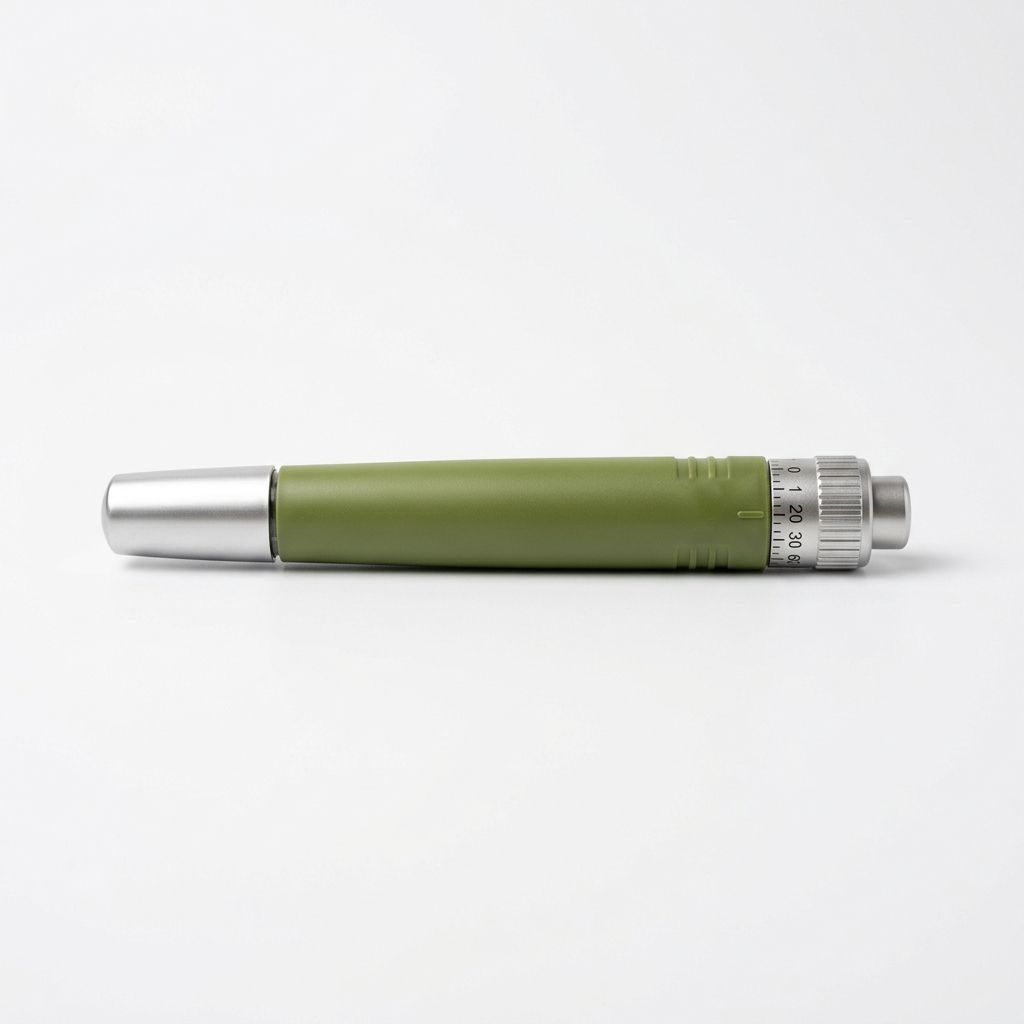
Mounjaro
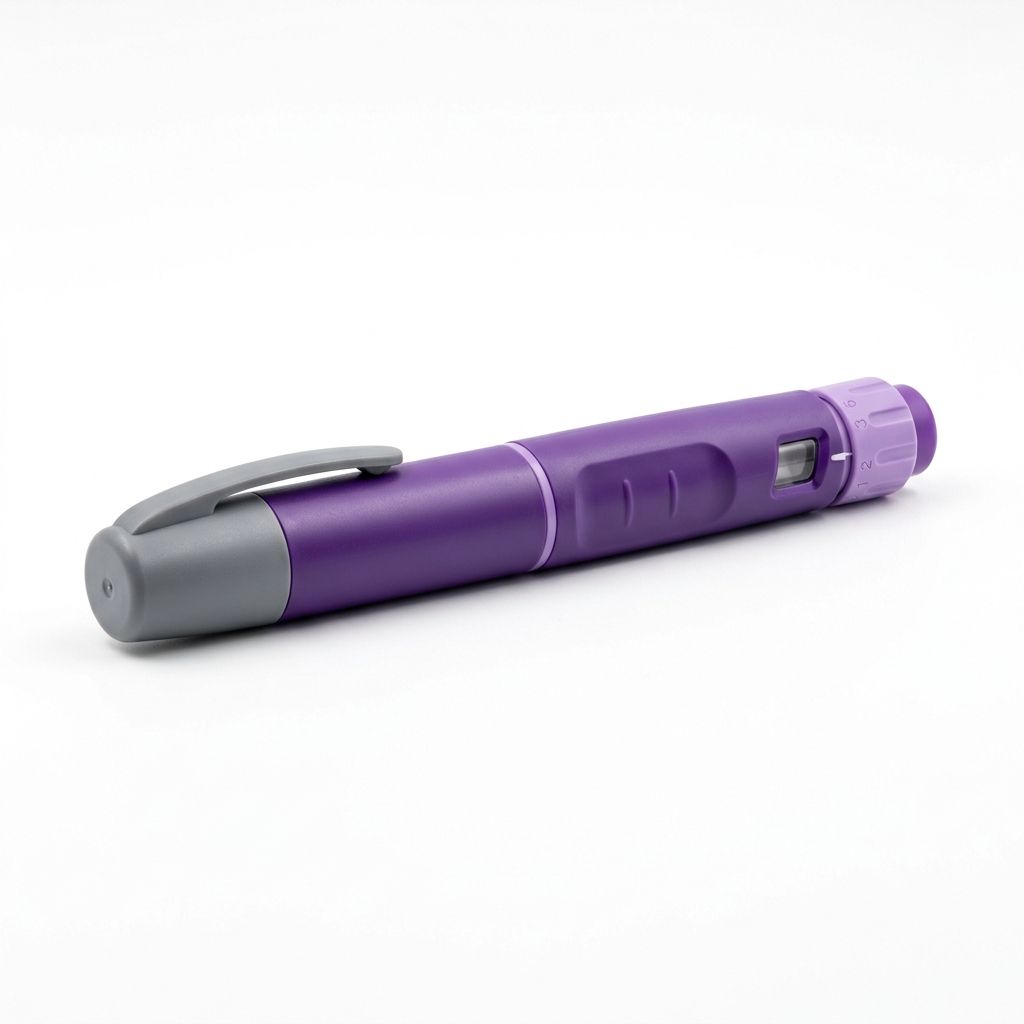
Zepbound
Mounjaro vs. Zepbound
Like the Ozempic/Wegovy split, choosing between Mounjaro and Zepbound depends on your primary diagnosis and what your insurance will cover for that specific indication.
Key Metrics
Mounjaro
Zepbound
Type 2 Diabetes (2022)
Weight Management (2023)
Dual GLP-1 & GIP Receptor Agonist
Dual GLP-1 & GIP Receptor Agonist
~15–20% (off-label, varies by dose)
~20.9% (SURMOUNT-1, 15mg)
Mounjaro
Key Advantages
- Better insurance coverage for diabetes patients
- $25 commercial copay card available
- Established prescribing pathways for endocrinologists
Zepbound
Key Advantages
- FDA-approved specifically for chronic weight management
- $299–$449/mo through LillyDirect self-pay
- Strongest weight loss clinical trial data available
Trusted Telehealth Providers
Safety first. Access genuine medications through verified medical platforms with board-certified clinical supervision.

Henry Meds
Specializing in transparent, monthly subscription models for compounded options.

Hims
Streamlined digital-first experience with competitive all-in pricing.

Ro Weight Loss
White-glove concierge insurance support for brand-name GLP-1 therapy.
Overview
Both contain tirzepatide. Mounjaro targets Type 2 diabetes, Zepbound targets obesity. Pricing and insurance pathways differ based on the indication.
Key Differences
| Factor | Mounjaro | Zepbound |
|---|---|---|
| FDA Indication | Type 2 Diabetes | Chronic Weight Management |
| Monthly Cost (Retail) | $1,023–$1,112 | $1,059–$1,086 |
| Self-Pay Programs | $25 copay card (with insurance) | $299–$449/mo via LillyDirect |
| Max Dose | 15mg weekly | 15mg weekly |
| FDA Approval Year | 2022 | 2023 |
| Mean Weight Loss | ~15–20% (off-label) | ~20.9% (SURMOUNT-1) |
| Manufacturer | Eli Lilly | Eli Lilly |
Which Should You Choose?
Choose Mounjaro if: You have Type 2 diabetes — insurance coverage is significantly better for the diabetes indication, and the $25 commercial copay card can make it very affordable.
Choose Zepbound if: Your primary goal is weight loss without a diabetes diagnosis. LillyDirect’s self-pay program at $299–$449/mo is often cheaper than paying cash for Mounjaro.
Insurance Considerations
Mounjaro’s $25 copay card works only with qualifying commercial insurance for diabetes. Zepbound coverage for weight loss is expanding but still limited. The LillyDirect Self Pay Journey ($299/mo for 2.5mg, up to $449/mo for 15mg) bypasses insurance entirely.
How It Compares
- Semaglutide vs Tirzepatide — comparing the two main drug classes
- Ozempic vs Mounjaro — the two leading diabetes GLP-1s
- Wegovy vs Zepbound — the two weight-loss-specific versions
Frequently Asked Questions
Are Mounjaro and Zepbound the same drug?
Yes — Mounjaro and Zepbound are pharmacologically identical. Both contain tirzepatide, the same active ingredient, at the same dose strengths (2.5 mg, 5 mg, 7.5 mg, 10 mg, 12.5 mg, and 15 mg), made by Eli Lilly in the same manufacturing facilities using the same formulation. The medication itself is indistinguishable. What differs is the FDA-approved indication: Mounjaro is labeled for Type 2 diabetes management; Zepbound is labeled for chronic weight management in adults with obesity or overweight with comorbidities. This label distinction has significant real-world consequences for insurance coverage and prescription access. From a clinical outcomes standpoint, the SURMOUNT-1 trial (which supported Zepbound’s weight-loss approval) used the same tirzepatide doses found in Mounjaro, showing 20.9% mean weight loss at 15 mg over 72 weeks. The pharmacology is identical; the pathway to access depends on your diagnosis and your insurance plan.
Can I get Mounjaro prescribed for weight loss?
Yes — doctors can legally prescribe Mounjaro off-label for weight loss, and many do, particularly for patients who don’t have a diabetes diagnosis but want tirzepatide. Off-label prescribing is common in medicine and entirely legal. However, insurance coverage is the major barrier: most commercial plans will only cover Mounjaro for its FDA-approved diabetes indication. If you don’t have a Type 2 diabetes diagnosis and your plan doesn’t include anti-obesity medications, you’ll likely pay out of pocket for off-label Mounjaro. In that case, Zepbound through LillyDirect at $299–$449/month is typically the better pathway — it carries the obesity label, which may qualify for coverage under more plans, and the LillyDirect program offers comparable self-pay pricing. Your provider can help you determine which label best matches your clinical profile and which approach is most cost-effective given your specific insurance situation.
Which has better insurance coverage?
Mounjaro currently has broader insurance coverage because diabetes medications have been included in commercial and Medicare formularies since GLP-1s first launched — diabetes drug coverage is well-established, while anti-obesity medication coverage is still expanding. Mounjaro has been a standard covered diabetes drug in most commercial plans since its 2022 approval, and Medicare Part D covers it for Type 2 diabetes patients. Zepbound, approved for obesity in late 2023, faces more variable coverage since many employer plans historically excluded weight-loss drugs. However, this gap is narrowing rapidly in 2026: approximately 40% of large employer plans now cover anti-obesity medications, up from roughly 25% in 2024. The Medicare GLP-1 Bridge Program launching July 2026 will add coverage for Zepbound specifically for patients with obesity and cardiovascular disease. The practical advice: check your plan’s current formulary for both drugs. For patients with Type 2 diabetes, Mounjaro through diabetes benefits is usually the strongest coverage pathway. For patients without diabetes seeking weight loss, call your insurer and request the specific tier placement and prior authorization criteria for Zepbound before deciding on any alternative.
Keep Reading
- Complete GLP-1 Cost Guide — every pricing pathway compared
- State-by-State Insurance Coverage — check your state’s GLP-1 coverage
- Branded vs Compounded — compounded alternatives compared